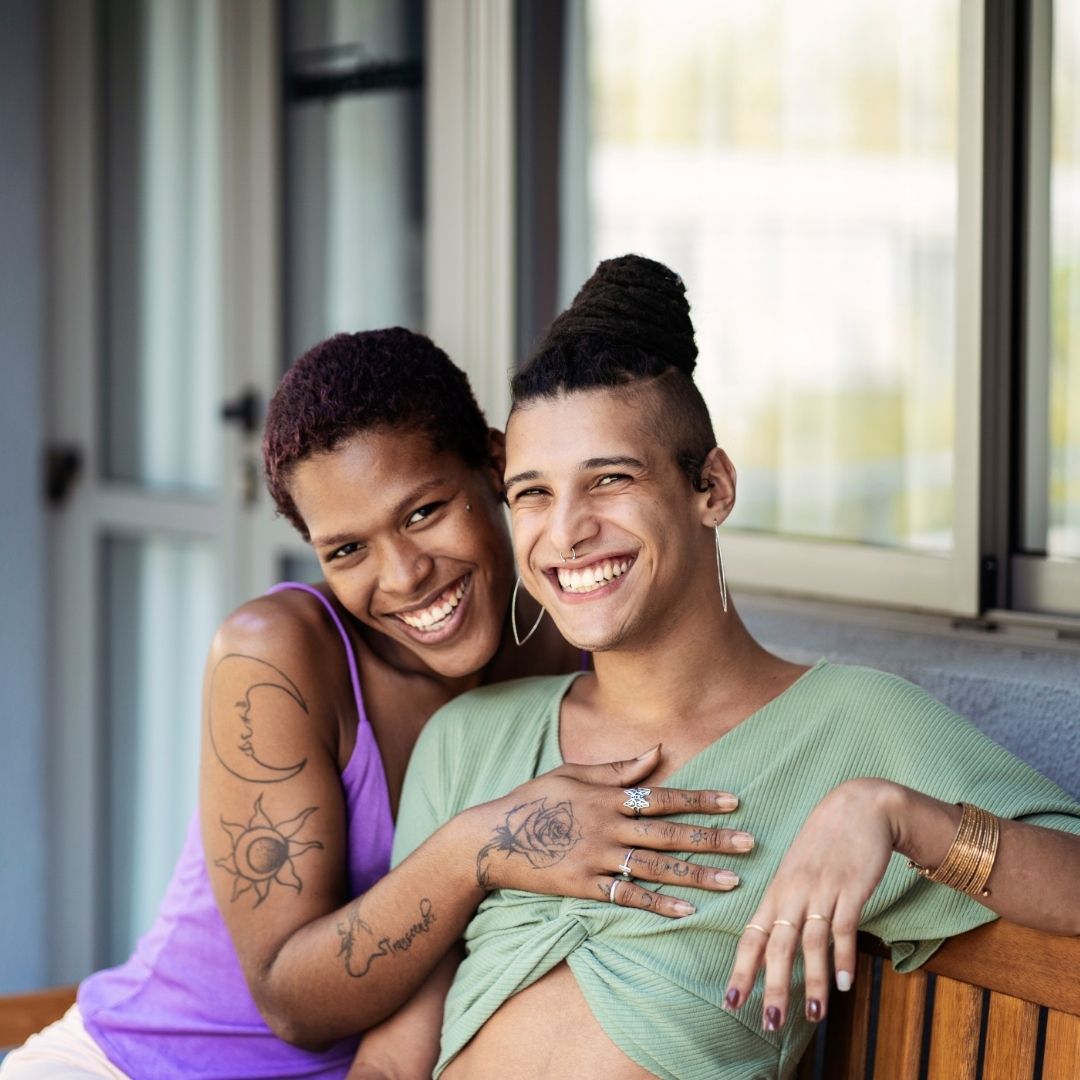
The legal landscape for LGBTQIA+ relationships has shifted dramatically over the decades. While there is always more progress to be made, the days when being in a same-sex relationship was treated as a criminal offence are thankfully in the past. Today, couples in England and Wales have choices in how they legally bind their lives together. This blog examines how traditional marriage compares with a civil partnership.
Civil Partnerships
Back when civil partnerships were first introduced in 2005, the legal system was not yet ready to open up traditional marriage to same-sex couples. Civil partnerships were essentially created as a middle ground. They provided a way for same-sex partners to gain the same legal rights and protections as married couples. While avoiding the political and religious debates surrounding the traditional definition of marriage.
Since then, the law has evolved further. Not only can same-sex couples now choose to marry, but civil partnerships have also been opened up to opposite-sex couples. A great option for couples who want legal recognition without the traditional baggage of marriage.
Official guidance on civil partnerships in England and Wales can be found through the UK government.
Marriage versus a Civil Partnership – The Differences
At their core, civil partnerships offer the same legal and financial rights as marriage. However, the way they form and dissolve involves a few distinct differences.
A marriage is legally established through the spoken word. The core of a wedding ceremony is the verbal exchange of vows in front of a registrar or an authorised official and witnesses. Signing the marriage register comes after. A civil partnership, on the other hand, does not require any spoken vows at all. It is entirely formed by the act of signing the civil partnership certificate. You can choose to say vows if you want to. But it has no bearing on the legal validity of the union.
The terminology changes when a relationship ends, too. If a marriage breaks down, you go through a divorce. If a civil partnership ends, you apply for a dissolution. They mean practically the same thing and follow the same legal processes. Especially since the introduction of no-fault separation rules, which removed the need to use adultery or desertion as a blame-based ground for ending the union. For both options, you must have been legally together for at least a full year before you can apply to end it.
The Paperwork
When your ceremony is complete, you will receive either a marriage certificate or a civil partnership certificate. This document serves as your official proof of union. You will need this certificate if you plan to change your surname to match your partner’s. Organisations like the passport office, the DVLA, and your bank will all require a sight of the original certificate before they will update your records. It is also the vital piece of paperwork you would need to produce if you ever need to legally dissolve the relationship or go through a divorce down the line. You can also learn more about how legal documentation is used in identity changes through our UKDP guidance. You can also find official information on updating your passport details after marriage or civil partnership via HM Passport Office guidance.
For more helpful articles on name changes, legal identity updates, and documentation processes, explore our full range of UKDP blogs.
If you need a hand with the legal side of things, changing your name via Deed Poll is a simple way to get everything in order. You can reach out to the UKDP team at 020 8017 2216.
To change your name...
- Fill in our online application form
- Receive your Deed Poll in the post
- Sign and date your Deed Poll
- Update records into your new name
We help thousands change their name and receive Excellent Feedback.
020 8017 2216 Start Your Application